Superior Siding Services for Your Home Overhaul
Renovating a home usually begins with its facade. Top-quality siding services play a significant role in enhancing both aesthetics and functionality. Property holders face a multitude of options, from vinyl to fiber cement. Each choice offers unique benefits and issues. Understanding these aspects is necessary for making an informed decision. The consequences of siding choice extend beyond aesthetics. What considerations should be examined to guarantee lasting value and performance?
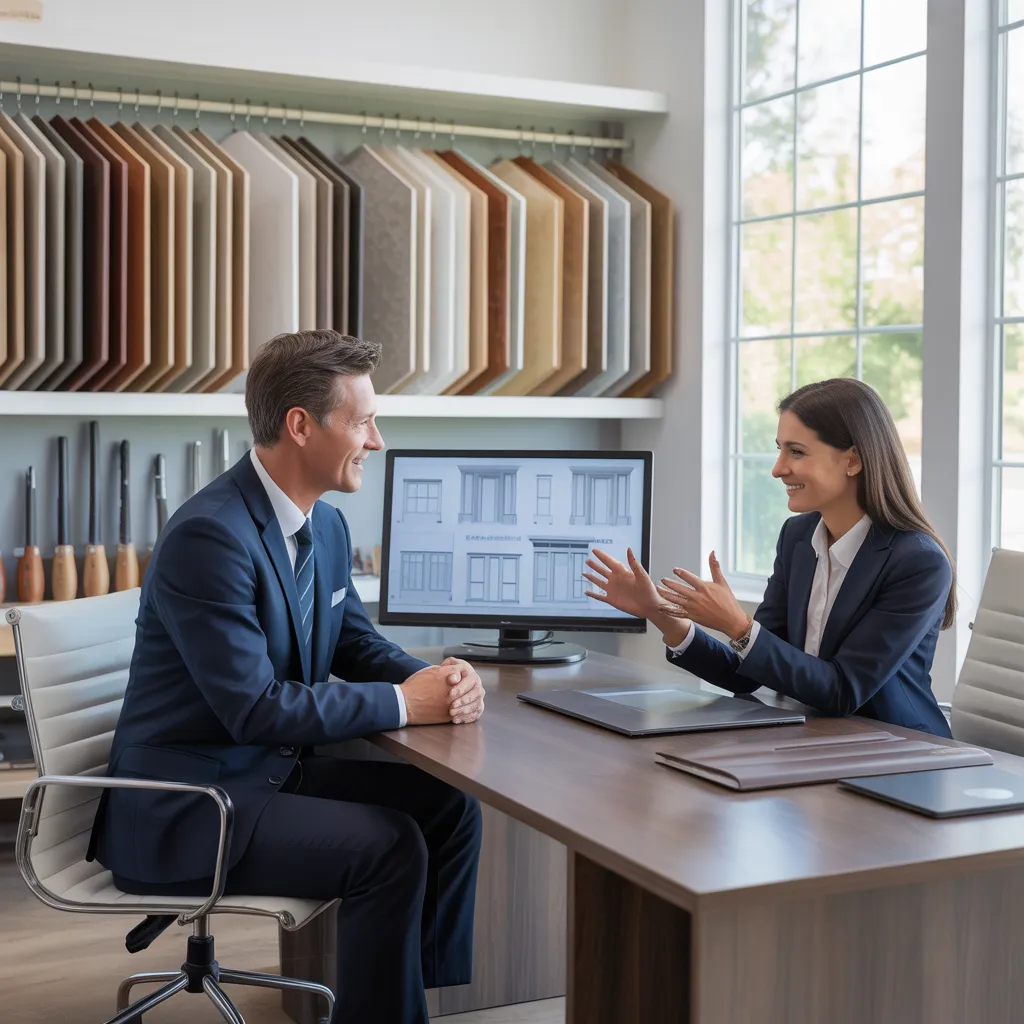
Professional Exterior Covering Importance for Your Property
Why is quality siding important for a residence? The quality of siding influences a home's aesthetic appeal, energy efficiency, and structural soundness. Expert installation secures that the siding is applied correctly, limiting the risk of moisture leaks, mold growth, and pest invasions. Furthermore, expert siding work regularly feature warranties that protect the homeowner's investment, offering peace of mind against potential harm.
Additionally, professionals come equipped with the expertise to handle diverse materials and local building codes, making sure of compliance and durability. Proper siding can also enhance a home’s market value, making it more attractive to prospective buyers. In contrast, DIY installations may lead to costly errors and inferior results. As a result, investing in professional siding is essential for maintaining a home’s beauty and functionality, ultimately contributing to a safer and more comfortable living environment.
Examining Diverse Siding Styles: Which Pick Meets Your Needs?
When assessing siding options, homeowners face a range of materials, each delivering unique benefits. Vinyl siding is noted for its cost-effectiveness and minimal maintenance, while wood siding delivers classic aesthetics that boost curb appeal. Meanwhile, fiber cement distinguishes itself for its outstanding durability and resistance to the elements, making it a practical choice for many.
Vinyl Siding Gains
Although homeowners often face a myriad of choices when choosing siding materials, vinyl siding distinguishes itself due to its distinct blend of durability and minimal upkeep. This material is protected from rot, pests, and harsh weather, making it an excellent option for various climates. In addition, vinyl siding comes in an extensive range of colors and styles, providing flexibility in design without the need for frequent repainting. Its cost-effectiveness compared to other siding options makes it available for many homeowners, while a simple maintenance routine guarantees it remains aesthetically attractive over time. Moreover, vinyl siding contributes to energy efficiency, helping to reduce heating and cooling costs. Overall, these benefits position vinyl siding as a attractive choice for home revamps.
Wood Siding Beauty
While vinyl siding delivers practicality, wood siding delights with its authentic appeal and enduring charm. The rich textures and warm tones of wood form an comfortable environment, boosting a home's curb appeal. Obtainable in various species, like cedar, pine, and redwood, wood siding permits homeowners to personalize their visual choices. Its adaptability can work with different design formats, from rustic cabins to contemporary buildings. In addition, wood siding can be painted or stained to realize the desired look, making possible extra customization. Yet, the unique grain patterns and natural variations in color showcase a one-of-a-kind character that artificial products frequently do not provide. Consequently, wood siding stands as a popular choice for those pursuing an graceful, natural look for their homes.
Fiber Cement Strength
Fiber cement siding provides exceptional durability, making it a top choice in the area of home exteriors. Consisting of a blend of cement, sand, and cellulose fibers, this material resists rot, warping, and insect damage. Unlike wood, fiber cement does not give in to moisture issues, ensuring reliable performance even in challenging climates. Its resistance to fading and cracking also bolsters its longevity, requiring minimal care over the years. Additionally, it can be painted in many colors, enabling homeowners to customize aesthetics without compromising durability. This combination of strength and versatility makes fiber cement siding an excellent option for those seeking both style and substance in their home improvement projects.
How Siding Maximizes Fuel efficiency and Comfort
Siding functions as a vital element in maximizing a home's energy efficiency and comfort. Its thermal resistance can significantly minimize heat loss, while modern air leakage prevention strategies help sustain a steady indoor environment. As a result, homeowners can appreciate reduced utility expenses and superior overall comfort.
Insulative Properties of Siding
A well-insulated home can significantly increase both energy performance and comfort. Siding plays a vital role in ensuring this by offering an extra layer of insulation. Various siding materials, such as insulated vinyl or fiber cement, are created to minimize heat transfer, keeping homes warmer in winter and better cooled in summer. This thermal barrier minimizes the effort required from heating and cooling systems, leading to lower energy bills. Additionally, the insulation properties of siding support a more consistent indoor climate, improving overall comfort. By opting for high-quality siding with exceptional insulation, homeowners can enjoy a more energy-efficient residence while also receiving benefits from noise reduction and durability improvements. These factors render siding a wise investment in home improvement.
Techniques for Stopping Air Leakage implement effective practices
Stopping air leakage is important for enhancing energy efficiency and comfort inside a house. Correct siding installation serves a critical function in this undertaking. Premium siding selections, such as fiber cement or vinyl, frequently offer interlocking designs that reduce gaps, minimizing the likelihood for air infiltration. Furthermore, implementing strong sealing strategies, like caulking and weather stripping, improves the protection against unwanted drafts. Insulation positioned behind the siding also benefits substantially by maintaining a consistent indoor temperature. Ongoing care, including assessments for cracks and wear, assures that the siding continues to work at its best. By tackling air leakage through smart siding options and careful installation, homeowners can realize noteworthy energy savings and improved indoor comfort throughout the year.
Which Factors Matter Most in High-Efficiency Siding Choices?
When reviewing energy-efficient siding, homeowners frequently question which vital features warrant emphasis. Thermal insulation properties represents essential criteria; siding featuring a superior R-rating shows better thermal resistance, which helps maintaining indoor temperatures. Homeowners must also evaluate options with protection against dampness and fungal growth, as these factors can reduce energy efficiency over time.
Another significant characteristic is the siding's capacity to reduce air infiltration. Products with tight seams and interlocking panels can lessen drafts. Additionally, reflective surfaces that reflect sunlight can help maintain homes cooler in the summer.
Ultimately, eco-conscious materials that encourage sustainability can prove helpful. Selections including fiber cement or engineered wood furnish both durability and strengthen energy efficiency. By analyzing these considerations, homeowners can make informed decisions that lead to lower utility bills and a more pleasant residential space.
Important Considerations for Finding the Right Siding Material
Finding the suitable exterior solution involves various essential factors that surpass energy efficiency. Property owners must highlight strength, as materials like vinyl or fiber cement can handle challenging conditions. Visual charm is vital; the siding should reflect the home's design character while respecting personal choices. Care requirements vary markedly among materials; wood may require consistent refinishing, whereas vinyl typically demands minimal upkeep.
Cost represents another essential element, accounting for both initial expenses and future costs. Green alternatives, like reclaimed wood or recycled materials, might appeal to environment-minded homeowners. Moreover, regional climate should guide your choice, since some materials function more efficiently in various climates. Ultimately, homeowners must assess the availability of siding choices in their area, as this can influence both selection and installation processes. Making a well-considered decision will assure that the chosen material strengthens both the home's worth and curb appeal.
Why Quality installation Makes a Difference for Siding Longevity
Correct setup is vital for maintaining the longevity of siding products. When siding is positioned correctly, it establishes a protective barrier against climatic elements, lowering the likelihood of deterioration from moisture, wind, and pests. Poor alignment or improper sealing during installation can cause gaps that allow water infiltration, ultimately causing mold growth and building damage.
Additionally, compliance with manufacturer specifications during execution is vital. Each siding material has specific demands that, when followed, improve endurance and efficiency. For example, improper nailing techniques or insufficient insulation can jeopardize the integrity of the siding, causing premature deterioration.
In addition, professional installation often includes quality reviews and warranties, ensuring homeowners with security. Committing to a skilled installation team not only guarantees visual excellence but also safeguards the siding investment, maximizing its lifespan and effectiveness. Proper installation, therefore, is an essential step in maintaining the value and security of a home.
Tips for Maintaining Your Siding for Lasting Beauty and Durability
Maintaining siding requires consistent care to ensure its beauty and protective qualities persist over time. Homeowners should begin with routine inspections to detect any indicators of deterioration, such as fractures or warping. Cleaning the siding every six months is essential; using a mild soap and soft brush can prevent the accumulation of dirt and mildew. Additionally, in-depth article checking the caulking around windows and doors helps to stop moisture intrusion, which can lead to more significant problems.
It is also recommended to refinish wood siding every few years to preserve its look and condition. For vinyl siding, a simple wash with a garden hose is often sufficient. Homeowners should be aware of overhanging trees that can damage or scratch siding and trim them back as needed. By applying these maintenance tips, homeowners can ensure their siding remains beautiful and durable for years to come.
Frequently Asked Questions
What Indicators Should I Notice to Spot Deteriorated Siding?
To identify damaged siding indicators, look at for cracks, warping, peeling paint, mold growth, and gaps between panels. In the same way, be aware of dampness within the home, which may indicate complications with the siding.
What Is the Mean Lifespan of Multiple Siding Materials?
The average lifespan of cladding options differs: wood endures 20-40 years, vinyl 20-30 years, fiber cement 25-50 years, and aluminum about 30 years. Factors like weather conditions and upkeep can greatly affect these timeframes.
Do I Need a Permit for Installing Siding?
Whether a license is necessary for siding work is determined by local codes. Generally, homeowners ought to contact their municipal building department to verify adherence with any necessary permits and to prevent possible fines or construction delays.
Is It Feasible to Put New Siding Over Existing Siding?
Yes, new siding can often be installed atop existing siding, provided that the underlying structure is structurally sound and complies with local building codes. However, thorough assessment and likely dampness protection should be evaluated to ensure extended lifespan.
How Can Siding Determine My Home's Resale Worth?
Siding profoundly affects a home's resale value by strengthening street-facing aesthetics and energy efficiency. Excellent materials paired with professional installation can entice homebuyers, possibly elevating offers and shortening time on the market, ultimately delivering a higher return.